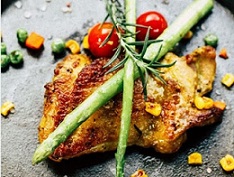
The short answer: in Canada, cook chicken pieces (breasts, thighs, drumsticks and wings) and ground chicken to an internal temperature of 74°C (165°F), and a whole chicken to 82°C (180°F) in the thickest part of the breast. Those are Health Canada's safe temperatures. Check with a food thermometer, not by colour.
With websites and applications like Pinterest, Allrecipes, Tasty, and Epicurious, it’s hard to resist attempting the featured mouth-watering creations.
No matter how simple the instruction, cooking anything can be intimidating to those of us who are not experienced. Chicken is one of the most commonly consumed protein options for most Canadians, but are we doing this right? There are many different options when it comes to preparing your chicken, various cooking methods and depending on the specific cut you are using; the temperature guideline can differ. Chicken is our go-to protein, with the unlimited possibilities and pairing options, it is difficult to grow tired of the changing flavours and endless uses.
Cooking Methods
Firstly, there are many different cooking methods that we must first become familiar with:
- Braise: Meat is seared, or browned in fat, and then simmered in liquid on low heat in a covered pot on the stovetop or in the oven for a long time.
- Broil: Meat is cooked directly under or above a heat source in an oven directly under the gas or electric heat source, or on a barbecue grill directly over charcoal or other heat source.
- Deep Fry: Meat is submerged in very hot oil in a deep-fryer or pot on the stovetop.
- Grill: Meat is cooked over hot coals or other heat source; often referred to as barbecuing.
- Pan Fry: Meat is quick-cooked in a small amount of hot oil. Preserves the flavour of the meat and lends a nice brown colour.
- Roast: Meat is cooked in the oven in an uncovered pan, a method that usually produces a well-browned exterior and moist interior.
- Stew: Meat is barely covered with liquid and simmered slowly for a long time in a tightly covered pot. Blends flavours deliciously.
Recommended Cooking Methods by Cut
| Cut/Method | Braise | Broil | Deep Fry | Grill | Pan Fry | Roast | Stew |
|---|---|---|---|---|---|---|---|
| Boneless Breast | x | x | x | x | x | ||
| Bone in Breast | x | x | x | x | x | x | x |
| Drumsticks | x | x | x | x | x | x | |
| Whole Leg quarter | x | x | x | x | x | x | |
| Bone in Thigh | x | x | x | x | x | x | |
| Whole chicken | x | x | |||||
| Wings | x | x | x | x | x |
Checking for Doneness
Secondly, how do you know when your chicken is cooked enough to consume? Here are a few tips to follow when checking to see if your chicken has reached the necessary safe internal cooking temperature:
- Remove your food from the heat and insert the digital food thermometer through the thickest part of the meat, all the way to the middle, but do not touch the bone.
- Make sure that the thermometer is not touching any bones, since they heat up more quickly than the meat and could give you a false reading.
- If you have more than one piece of meat, be sure to check each piece separately, as temperatures may differ in each piece.
- If the proper temperature is not reached, the chicken should be returned to the heat source for further cooking.
Safe internal temperatures for chicken
These are Health Canada's safe internal cooking temperatures. Measure in the thickest part of the meat with a digital thermometer.
| Chicken | Safe internal temperature |
|---|---|
| Pieces: breasts, thighs, drumsticks, legs, wings | 74°C (165°F) |
| Ground chicken (burgers, meatballs) | 74°C (165°F) |
| Whole chicken, in the thickest part of the breast | 82°C (180°F) |
| Stuffing, cooked separately | 74°C (165°F) |
| Leftovers, reheated | 74°C (165°F) |
Safe temperature by cut
- Chicken breast: 74°C (165°F). Breasts dry out quickly past that, so take them off the heat as soon as they reach it. Large breasts cook more evenly if you pound them to an even thickness first, or cut them in half horizontally, and they do best cooked hot and fast when grilling or pan-frying.
- Chicken thighs: 74°C (165°F) is safe. Thighs have more fat and connective tissue, so they stay juicy and many cooks take them a little higher for a more tender texture. They are also cheaper and more forgiving than breasts: two thighs can replace one breast in most recipes.
- Drumsticks and legs: 74°C (165°F), measured in the thickest part, away from the bone.
- Wings: 74°C (165°F). Wings are thin, so check the meatiest part; the skin crisps and keeps the meat moist.
- On the grill: the same temperatures apply. The outside of grilled chicken browns long before the inside is done, so always check with a thermometer; bone-in pieces do well over medium, indirect heat.
- Whole chicken: 82°C (180°F) in the thickest part of the breast, not touching bone. If it is stuffed, remove the stuffing as soon as the bird reaches 82°C. Our roast chicken guide has times by weight.
Why not go by colour or clear juices?
Colour is not a reliable sign that chicken is cooked. Meat near the bone can stay a little pink even when it is safely done, and meat can turn white or run clear before it is hot enough. The only reliable test is a food thermometer.
Cericola Recommendations
Whole Chicken - Roast it! The secret to a delicious chicken is buying the best quality bird you can find, such as a locally raised one from a small farm. Every Cericola chicken was raised by local farmers. Cericola Farms' plants have been part of Maple Leaf Foods since 2018 and 2021, so today look for chicken from farms near you: the Simcoe County Farm Fresh and York Farm Fresh guides list them around Bradford.
For an extra-crisp and golden skin, pat chicken dry with paper towel and leave in the fridge (unwrapped) on a baking sheet overnight.
No matter your level of expertise or cooking knowledge, these guidelines should help you ensure that you are serving the best chicken, regardless of the cooking method. Try one of the delicious chicken recipes featured on the Cericola Pinterest page today. Happy eating!